Health and Safety Policy for Flat Clearance Leyton
 Policy statement: This Health and Safety policy sets out the approach and commitments of our flat clearance operation. It applies to all aspects of our flat clearance services, rubbish removal and waste removal activities carried out by employees, contractors and temporary staff. Our aim is to prevent harm, minimise risks associated with debris, bulky waste and hazardous materials, and ensure safe, compliant clearance work. The policy supports continuous improvement and sets a framework for risk management, training and operational controls within the scope of our clearance company services.
Scope and responsibilities: The policy covers the full range of flat clearance and rubbish clearance duties, including pre-clearance inspection, handling of household items, furniture dismantling, garden waste, and responsible disposal. Management holds overall responsibility for health and safety policy implementation, while operational supervisors and crew members are responsible for day-to-day adherence. All staff must be familiar with this policy, follow safe working procedures and report hazards promptly. Everyone on site has a duty to act safely and to co-operate in maintaining a safe working environment.
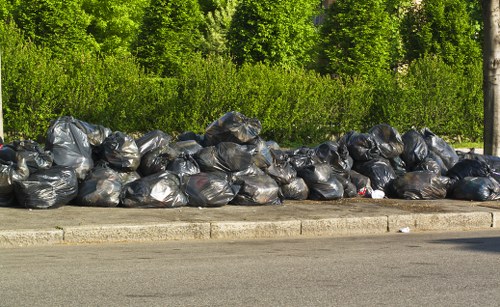 Risk assessment and planning: Before starting any flat clearance job we perform a clear risk assessment and written work plan. Risk assessments identify manual handling hazards, trip and fall risks, potential exposure to sharps or contaminated waste, and any structural or access limitations. Plans will specify required controls such as mechanical aids, team lifts and specific handling methods for fragile or hazardous items. Where appropriate, we adopt safe exclusion zones and use signage to protect staff and the public during rubbish removal operations.
Controls, Training and Equipment
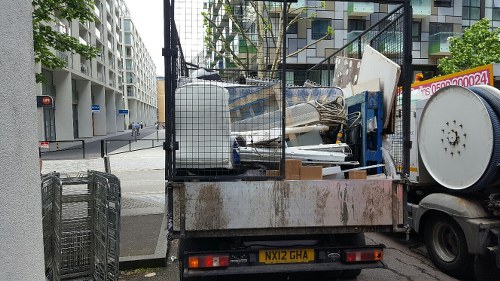
Personal protective equipment (PPE) and tools: All crew members are provided with, and must use, appropriate PPE including gloves, safety boots, high-visibility clothing, eye protection and masks when dust or biohazards are present. Mechanical lifting aids and trolleys are used to reduce manual handling risks. Vehicle loading procedures ensure secure stowage and even weight distribution to prevent incidents during transit. Our vehicle and equipment maintenance programme ensures that tools used in clearance services remain safe and effective.
 Training and competence: Staff receive induction training on safe flat clearance practices, manual handling, COSHH awareness where applicable, traffic and vehicle safety, and emergency procedures. Refresher training is scheduled regularly and additional training is provided for specialist tasks such as dismantling, mattress removal protocols or handling asbestos-type materials where relevant. We maintain records of training and competence assessments to ensure a skilled workforce for all rubbish removal assignments.
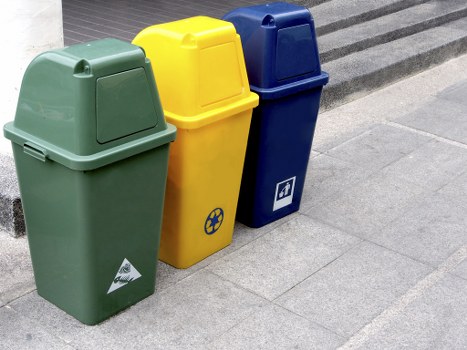
Safe working procedures and segregation: We maintain documented procedures for safe handling, separation and disposal of waste categories, including recyclable materials, non-recyclable refuse and hazardous items. Crew members follow a clear waste segregation policy to reduce environmental impact and comply with waste transfer regulations. Clear instructions and labelled containers help reduce contamination and expedite lawful disposal. Standard operating procedures (SOPs) are available to staff and updated according to operational learnings and regulatory changes.
Emergency Response, Monitoring and Compliance
Emergency procedures and reporting: All sites have specified emergency protocols for injuries, spills and unexpected hazards. First aid kits are available in vehicles and at main depots, and personnel trained in first aid are assigned per shift. All incidents, near misses and unsafe conditions must be reported immediately via our incident reporting process so corrective action can be taken. We maintain an incident log and conduct investigations to prevent recurrence.
 Environmental and disposal controls: Our rubbish clearance and waste removal processes prioritise responsible disposal routes and recycling. Hazardous materials are isolated and transferred only by authorised contractors when specialist handling or disposal is required. We work to reduce landfill by optimising segregation and reusing or recycling materials where feasible. Documentation for waste transfers is maintained to demonstrate compliance with environmental obligations and to support continual improvement of clearance operations.
 Monitoring, review and continual improvement: Management reviews health and safety performance regularly through site inspections, audits and safety meetings. Performance indicators include incident frequency, completion of risk assessments, training uptake and compliance with waste management procedures. This policy is reviewed annually or sooner following significant change or incident. By embedding safety into our culture, from supervision to those performing flat clearance tasks, we reinforce the importance of safe practice across the company. Commitment: the company is fully committed to maintaining a safe working environment and to the health of employees, clients and the public during all clearance activities.
Contractor and subcontractor management: Where subcontractors support clearance projects, they must agree to comply with this health and safety policy and provide evidence of their own safety arrangements, insurance and competence. Pre-engagement checks ensure subcontractors understand the expectations for safe rubbish removal and site conduct. Regular coordination meetings and joint inspections help to align practices and manage cross-contractor hazards effectively.
Legal compliance and documentation: We maintain relevant risk assessments, method statements, training records, equipment maintenance logs and waste transfer documentation. These records support compliance with statutory obligations and internal governance. While this policy outlines our health and safety commitments, it does not replace specific legal texts; instead, it complements applicable legislation and good practice in the waste and clearance industry.
Acceptance and implementation: All employees and associated personnel are required to read and understand this policy. Managers will allocate sufficient resources to implement controls and ensure adherence. Through structured training, clear procedures and active supervision, our flat clearance and rubbish removal operations will be managed to protect people, property and the environment. Signed for and on behalf of the company — this policy is effective from the date of issue and will be reviewed periodically to maintain relevance and effectiveness.