Comprehensive Guide to Business Waste Removal in Leyton
Introduction to Business Waste Removal
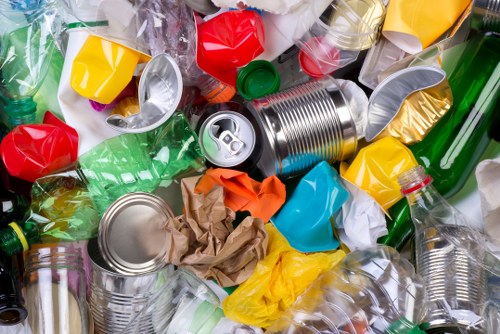
In today's environmentally conscious world, business waste removal has become a critical service for companies in Leyton. Effective waste management not only ensures compliance with local regulations but also promotes sustainability and operational efficiency.
Whether you're running a small office or a large industrial facility, managing waste effectively can lead to significant cost savings and a healthier workplace environment.
In this article, we'll explore the various aspects of business waste removal in Leyton, highlighting the services available, the benefits of proper waste management, and tips for choosing the right waste removal partner.
Types of Business Waste
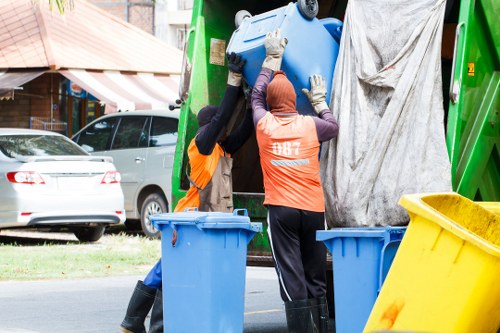
Businesses generate a diverse range of waste types that require specialized handling and disposal methods. Understanding the different categories of waste is essential for effective management.
1. Commercial Waste: Includes office waste such as paper, plastics, and electronic waste.
2. Industrial Waste: Generated from manufacturing processes, including hazardous materials like chemicals and metals.
Recyclable and Non-Recyclable Materials

Separating recyclable materials from non-recyclable ones is a fundamental step in waste management. Recycling not only reduces the environmental footprint but also can lead to cost savings.
Recyclable materials typically include paper, cardboard, certain plastics, glass, and metals. Non-recyclable waste often comprises contaminated materials, certain plastics, and specific types of industrial waste.
Proper segregation ensures that recyclable materials are processed correctly, minimizing landfill usage and promoting sustainability.
Benefits of Professional Waste Removal Services
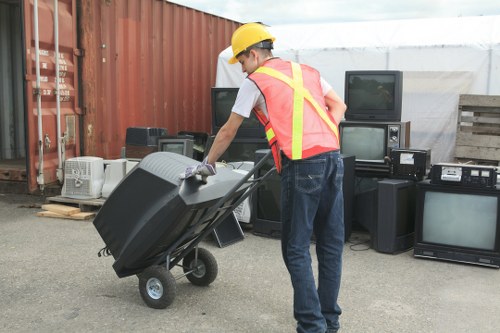
Hiring a professional waste removal service in Leyton offers numerous advantages for businesses. These services provide tailored solutions to meet specific waste management needs.
- Compliance: Ensures adherence to local waste disposal regulations.
- Efficiency: Streamlines waste collection and disposal processes.
- Cost-Effective: Reduces costs associated with improper waste handling.
- Environmental Impact: Minimizes environmental footprint through sustainable practices.
Choosing the Right Waste Removal Partner
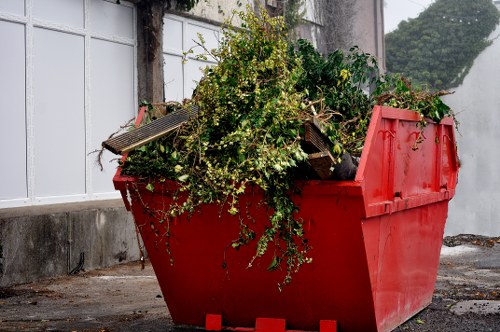
Selecting the appropriate waste removal service is crucial for effective waste management. Consider the following factors when making your decision:
- Experience: Look for companies with a proven track record in business waste removal.
- Services Offered: Ensure they provide the specific services you need, such as recycling, hazardous waste handling, and regular pickups.
- Pricing: Compare pricing structures to find a service that fits your budget without compromising quality.
- Customer Support: Reliable customer service is essential for addressing any concerns promptly.
- Environmental Practices: Choose companies committed to sustainable waste management practices.
By considering these factors, businesses can partner with waste removal services that align with their operational and environmental goals.
Implementing an Effective Waste Management Plan
An effective waste management plan is vital for maintaining a clean and efficient business environment. Here are the key steps to creating a successful plan:
- Assess Waste Generation: Identify the types and quantities of waste your business produces.
- Set Goals: Define what you aim to achieve with your waste management, such as reducing landfill waste or increasing recycling rates.
- Develop Procedures: Create clear procedures for waste segregation, storage, and disposal.
- Train Employees: Educate your staff on proper waste handling and the importance of following the waste management plan.
- Monitor and Review: Regularly assess the effectiveness of your waste management plan and make necessary adjustments.
Implementing these steps ensures that your business manages waste efficiently and responsibly.
Regulatory Compliance
Compliance with local and national regulations is non-negotiable when it comes to business waste removal. Non-compliance can result in hefty fines and damage to your business reputation.
In Leyton, businesses must adhere to guidelines set by environmental authorities, including proper disposal of hazardous materials, maintaining records of waste disposal, and ensuring that waste removal services are certified.
Partnering with a professional waste removal service helps ensure that your business remains compliant with all relevant regulations.
Cost Analysis of Waste Removal Services
Understanding the cost implications of different waste removal services can help businesses make informed decisions.
- Volume-Based Pricing: Charges based on the amount of waste generated.
- Service Frequency: Regular pickups may offer cost savings compared to one-time services.
- Type of Waste: Hazardous waste removal typically incurs higher costs due to specialized handling requirements.
- Additional Services: Recycling, shredding, and on-site waste management solutions may affect pricing.
By conducting a thorough cost analysis, businesses can choose waste removal services that offer the best value for their specific needs.
Sustainability and Environmental Responsibility
Adopting sustainable waste management practices demonstrates a business's commitment to environmental responsibility.
Strategies include increasing recycling efforts, reducing waste generation through efficient processes, and opting for eco-friendly waste disposal methods.
Businesses in Leyton can benefit from enhanced reputation, customer loyalty, and potential tax incentives by prioritizing sustainability in their waste management plans.
Technological Innovations in Waste Management
Technological advancements are revolutionizing the waste management industry, offering more efficient and effective solutions for businesses.
- Automated Sorting Systems: Improve the accuracy and speed of waste segregation.
- Waste Tracking Software: Provides real-time data on waste generation and disposal, aiding in better decision-making.
- Eco-Friendly Disposal Methods: Innovations like waste-to-energy technologies convert waste into usable energy, reducing environmental impact.
Embracing these technologies can enhance a business's waste management strategy, leading to increased efficiency and sustainability.
Employee Engagement in Waste Management
Engaging employees in waste management initiatives fosters a culture of sustainability within the workplace.
Here are some ways to involve your team:
- Provide training on proper waste segregation.
- Create incentive programs to encourage waste reduction.
- Encourage feedback and suggestions for improving waste management practices.
Active employee participation can significantly enhance the effectiveness of your waste management plan.
Challenges in Business Waste Removal
Despite the benefits, businesses may face several challenges in managing waste effectively.
- High Operational Costs: Waste removal services and recycling processes can be expensive.
- Regulatory Compliance: Keeping up with changing regulations requires constant vigilance.
- Lack of Awareness: Employees may not be fully informed about waste management practices.
- Space Constraints: Limited space for waste storage can hinder effective waste management.
Addressing these challenges requires strategic planning, investment in training, and collaboration with professional waste removal services.
Solutions to Overcome Waste Management Challenges
To overcome the challenges associated with business waste removal, consider the following solutions:
- Invest in Efficient Equipment: Utilize compact and efficient waste storage and sorting equipment to save space.
- Regular Training: Provide ongoing training to keep employees informed about best practices and regulatory changes.
- Partner with Experts: Collaborate with professional waste removal services to navigate regulatory complexities.
- Implement Waste Reduction Strategies: Adopt practices like digital documentation to reduce paper waste.
These strategies can help businesses mitigate the challenges of waste management and maintain an efficient waste removal system.
Case Studies: Successful Waste Management in Leyton
Examining successful case studies can provide valuable insights into effective waste management practices.
- Company A: Reduced waste by 30% through comprehensive recycling programs and employee engagement.
- Company B: Implemented waste-to-energy solutions, significantly lowering their environmental footprint.
- Company C: Partnered with a local waste removal service to ensure regulatory compliance and cost savings.
These examples highlight the importance of tailored waste management strategies and the benefits of professional waste removal services.
Future Trends in Waste Management
The waste management industry is continually evolving, with several trends shaping its future.
- Circular Economy: Emphasizes recycling and reusing materials to create a closed-loop system.
- Smart Waste Management: Utilizes IoT and AI to optimize waste collection and processing.
- Biodegradable Materials: Increased use of eco-friendly materials to reduce waste generation.
- Legislative Changes: Stricter regulations driving businesses towards more sustainable practices.
Staying abreast of these trends allows businesses to adopt innovative waste management practices and maintain a competitive edge.
Environmental Impact of Effective Waste Removal
Proper waste management has a profound impact on the environment. Effective waste removal reduces landfill usage, minimizes pollution, and conserves natural resources.
Key environmental benefits include:
- Lower greenhouse gas emissions from reduced waste decomposition.
- Conservation of resources through recycling and reuse.
- Protection of ecosystems by preventing hazardous waste contamination.
- Reduction in energy consumption through efficient waste processing methods.
By prioritizing effective waste removal, businesses contribute to a healthier and more sustainable environment.
Health and Safety Considerations
Proper waste management is crucial for maintaining a safe and healthy workplace. Improper handling of waste can lead to health hazards, including exposure to toxic substances and the spread of diseases.
Implementing strict waste handling protocols ensures that employees are protected and that the workplace remains clean and safe.
Additionally, regular training and the use of appropriate protective equipment can further enhance safety standards.
Choosing Sustainable Waste Removal Solutions
Sustainability should be at the core of your waste management strategy. Opting for eco-friendly waste removal solutions not only benefits the environment but also enhances your business's reputation.
Consider the following sustainable practices:
- Prioritizing recycling and composting over landfill disposal.
- Selecting waste removal partners with strong environmental credentials.
- Implementing waste reduction initiatives to minimize overall waste generation.
- Investing in renewable energy solutions derived from waste materials.
Embracing sustainability in waste management positions your business as a responsible and forward-thinking entity.
Community Impact of Business Waste Removal
Effective business waste removal has positive ripple effects on the local community. Proper waste management reduces pollution, supports local recycling industries, and contributes to the overall cleanliness and aesthetics of Leyton.
Businesses play a vital role in shaping their communities by adopting responsible waste practices, thereby fostering a healthier and more sustainable local environment.
Engaging with community initiatives and supporting local recycling programs can further enhance your business's impact.
Conclusion
Business waste removal in Leyton is an essential service that offers numerous benefits, from regulatory compliance to environmental sustainability. By understanding the types of waste, the advantages of professional services, and the best practices for effective waste management, businesses can create efficient and eco-friendly operations.
Investing in proper waste removal solutions not only enhances your business's operational efficiency but also contributes to a greener and healthier community.
Don't wait any longer—Contact us today to streamline your business waste removal in Leyton and take the first step towards a sustainable future.