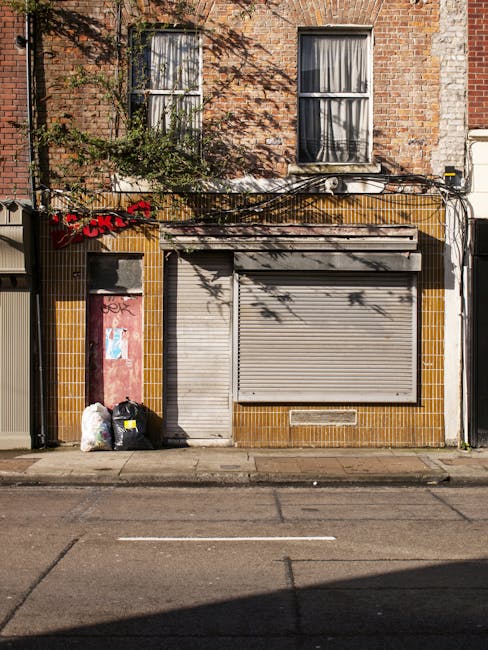
Leyton E10 rubbish removal guide for Leyton High Road homes

If you live on or near Leyton High Road, rubbish can pile up faster than you expect. A broken wardrobe in the hallway, a mattress that has been sitting there for weeks, a few bags from a clear-out, maybe some old appliances in the kitchen corner - and suddenly the flat feels smaller, messier, and far more stressful than it should. This Leyton E10 rubbish removal guide for Leyton High Road homes is here to make that whole process feel manageable, practical, and a bit less annoying. Truth be told, most people do not need a grand plan. They need a clear one.
In the next few minutes, you will see how local rubbish removal works, what to prepare before collection, which items usually need special handling, and how to avoid the common mistakes that cause delays or extra cost. There is also a simple checklist, a comparison table, and a realistic example from a typical Leyton home. Nothing fancy. Just useful guidance you can actually use.
Why Leyton E10 rubbish removal guide for Leyton High Road homes Matters
Leyton High Road homes tend to deal with a very ordinary but very real problem: not much storage, busy routines, and items that are too big or awkward to just "deal with later". A lot of properties in the area are flats, conversions, or compact terraces, so a single bulky item can block a hallway, jam up a stairwell, or make the bin routine feel impossible. You notice it in the space first. Then in the mood of the room. A cluttered flat can feel loud, even when it is quiet.
That is why local rubbish removal matters. It is not only about throwing things away. It is about clearing space safely, quickly, and in a way that suits the property type you live in. If you are dealing with shared entrances, narrow stairs, parking restrictions, or limited time off work, the process needs to be organised. Otherwise, you end up moving the same pile from one corner to another. We have all done that at least once.
There is also a trust side to this. Waste should be handled responsibly, items should be sorted where possible, and anything restricted or hazardous must be treated carefully. Good rubbish removal is part convenience, part compliance, and part peace of mind. If your clear-out includes furniture or appliances, you may also find it useful to look at furniture disposal and fridge and appliance removal for more specific handling options.
Table of Contents
- Why Leyton E10 rubbish removal guide for Leyton High Road homes Matters
- How Leyton E10 rubbish removal guide for Leyton High Road homes Works
- Key Benefits and Practical Advantages
- Who This Is For and When It Makes Sense
- Step-by-Step Guidance
- Expert Tips for Better Results
- Common Mistakes to Avoid
- Tools, Resources and Recommendations
- Law, Compliance, Standards, or Best Practice
- Options, Methods, or Comparison Table
- Case Study or Real-World Example
- Practical Checklist
- Conclusion
- Frequently Asked Questions
How Leyton E10 rubbish removal guide for Leyton High Road homes Works
At a practical level, rubbish removal is usually straightforward. You describe what needs to go, the collection is planned, the waste is loaded, and the items are taken away for sorting, recycling, or disposal. Where it gets more interesting is in the details. A mattress, a dismantled wardrobe, and a few bags of general waste all behave differently on the day. One takes space, one needs lifting, and one needs careful handling so nothing spills on the stairwell. Not glamorous, but important.
For homes around Leyton High Road, the collection process often depends on access. Is there a lift? Can a vehicle stop close to the front door? Is the item in a top-floor flat? These questions matter because they affect timing, labour, and the way the job is done. If you are clearing a flat rather than a full house, the service may feel closer to a managed lift-and-load exercise than a general tidy-up. In that case, flat clearance can be a more fitting route than trying to piece the job together yourself.
There is also the sorting stage. Reusable items, recyclable materials, and waste that needs special treatment should not all go into the same mental bucket. Even if everything looks like "junk" from the hallway, it may be handled differently once collected. That is normal. A good clearance process respects that complexity without making it your problem.
Key Benefits and Practical Advantages
The biggest benefit is simple: you get your space back. But there are a few more advantages worth spelling out, because they are easy to underestimate until you need them.
- Less physical strain: heavy lifting on staircases is awkward and risky, especially with bulky furniture or broken items.
- Faster turnaround: a planned collection can clear an area in one visit instead of stretching a job across a weekend.
- Cleaner finish: removing waste properly helps the property feel ready to live in, rent out, sell, or renovate.
- Better sorting: items can be separated for recycling or specialist handling where needed.
- Less disruption: you avoid leaving rubbish outside for days, which can be awkward in shared residential areas.
There is a quieter benefit too. When the waste is gone, decisions get easier. You can see what stays, what needs repair, and what is next. That little shift matters more than people expect. A clear room changes how a home feels. It sounds obvious, but honestly it does.
If your clear-out involves more than one room, home-based decluttering, or a full move, a broader home clearance or house clearance service may be a better fit than handling items one category at a time.
Who This Is For and When It Makes Sense
This guide is for Leyton High Road residents who need rubbish removed from a home without turning it into a full-scale project. That could mean a tenant leaving a property, a landlord preparing for new occupants, a homeowner sorting the loft, or a family doing the kind of overdue declutter that always starts with "just one cupboard".
It also makes sense if you are dealing with any of the following:
- Bulky furniture that is too large for normal bins
- Old appliances that need careful handling
- Post-renovation mess after light building work
- Garage, loft, or shed clutter that has built up over years
- End-of-tenancy rubbish left by previous occupants
- Mixed household waste that needs sorting before disposal
Sometimes the decision is obvious. Sometimes it is a judgement call. For example, if you are clearing one sofa and a few rubbish bags, a small load may do the job. If you are facing a whole room of mixed items, a more comprehensive service often feels calmer and better value. For large household clear-outs, loft clearance and garage clearance can be especially handy when the mess is tucked away rather than sitting in plain sight.
And if the job is partly about old furniture, don't be surprised if separate handling is worthwhile. A chair, a table, and a mattress are not all the same beast. That distinction matters in real life.
Step-by-Step Guidance
Here is the cleanest way to approach rubbish removal from a Leyton High Road home. Keep it simple. That usually works best.
- Walk through the property and list everything that needs to go. Split items into bulky furniture, general waste, appliances, and anything unusual.
- Check access. Note stairs, lifts, parking, entry codes, and whether the item needs dismantling. A quick look now saves awkward conversations later.
- Separate anything valuable or reusable. Papers, jewellery, chargers, spare keys, and sentimental bits can get buried fast. Take a minute.
- Flag special items early. Fridges, chemicals, paint, sharp materials, or heavy electrical goods may need particular handling.
- Ask about loading and disposal expectations. Good providers will explain what happens at collection, how items are separated, and what cannot be taken in the normal load.
- Prepare the route. Clear the hall, keep doors open if safe, and move pets or children out of the way. You want the collection to feel calm, not like a relay race.
- Stay available for final checks. A five-minute sign-off avoids "I thought that was going too" moments. Those moments are never fun.
For mixed loads, it helps to think in layers. First: what is bulky. Second: what is fragile. Third: what is restricted. Once you see the pile through those three lenses, the rest is much easier. If you are still unsure about what can be loaded with a general collection, the page on what can go in a skip is a useful companion read, even if you are not hiring a skip itself.
Expert Tips for Better Results
Here are a few field-tested habits that make a big difference, especially in compact Leyton homes.
- Photograph the load before collection. It helps you keep track of what is included and reduces confusion.
- Break down what you safely can. Flat-pack furniture, for example, is much easier to move in smaller sections.
- Keep a "maybe" box. If you are not sure about a keepsake, put it aside instead of making a rushed decision.
- Label special items clearly. One small note can prevent a fridge from being treated like a regular cabinet. Sounds basic, but it saves headaches.
- Schedule for a quieter time of day. Early slots often make building access and street parking a bit less painful.
- Ask about recycling focus. Responsible clearance is not only about removal; it is about what happens next.
In our experience, the best jobs are the boring ones. The waste is identified, the route is clear, and nobody is hunting for a screwdriver at the door. A bit of prep goes a long way.
If you need help with furniture specifically, the most relevant pages are furniture clearance and mattress and sofa disposal, both of which can help narrow down what to expect for larger household items.
Common Mistakes to Avoid
Most rubbish removal problems are avoidable. They usually happen because people rush, underestimate the load, or assume everything can be handled the same way. Easy to do, to be fair.
- Leaving sorting until collection day. That turns a quick job into a stressful one.
- Forgetting about access issues. A load is one thing. Getting it out of a top-floor flat is another.
- Mixing restricted items with general waste. Batteries, chemicals, and some electrical items may need separate handling.
- Assuming all furniture is treated the same. Sofas, beds, wardrobes, and appliances may have different disposal routes.
- Ignoring landlord or building rules. Shared blocks often have quiet but important expectations about common areas and disposal timing.
- Not checking what is actually included. "Everything" sometimes means everything visible, not everything stored in the loft hatch you forgot about.
One small human error we see all the time: people clear the obvious pile, then remember the shed, then the under-stairs cupboard, then a half-broken TV. Suddenly the job tripled. So if you can, do one proper sweep before you book. Your future self will thank you.
Tools, Resources and Recommendations
You do not need much kit for a rubbish removal prep, but a few basics make life easier.
- Strong bin bags or rubble sacks: useful for loose waste, soft furnishings, or mixed household items.
- Marker pen and tape: ideal for labelling items to keep, donate, or remove.
- Gloves: especially handy for dusty lofts, garages, and older storage spaces.
- Basic tools: a screwdriver, Allen key, or pry tool can help dismantle flat-pack furniture.
- Phone camera: quick photos help you remember what is going and what is staying.
For planning and budgeting, pricing and quotes is the most relevant page on the site to review. If you are booking a collection and want a straightforward route through, book online gives you a simple next step without too much back-and-forth.
If you have specific concerns about disposal, it is also worth reading about recycling and sustainability. That is where you can get a clearer sense of how responsible waste handling fits into the bigger picture.
Law, Compliance, Standards, or Best Practice
Rubbish removal is practical, but it is also governed by ordinary UK waste-handling expectations. You do not need to memorise legislation to make a sensible choice, but you should expect any legitimate service to treat waste carefully, avoid fly-tipping, and handle restricted items appropriately. That is not extra credit; it is the baseline.
For residents, the safest rule is simple: do not hand waste to anyone who cannot explain where it will go or how it will be handled. If a job includes electrical items, fridges, paint, chemicals, or sharp materials, ask how those will be separated. If the provider is vague, that is a sign to pause. A clear answer usually means a well-run process.
Best practice also means protecting yourself at the property level. Keep pathways clear to avoid trips, avoid lifting anything that is too heavy or awkward for one person, and never mix confidential papers with general rubbish if they still contain personal information. If you are clearing documents, confidential shredding is the safer route.
Insurance, safety processes, and clear terms are worth looking for as well. They are not glamorous, but they matter. If you want to understand how a provider frames those points, the pages on insurance and safety and health and safety policy are the most relevant supporting references on this site.
Options, Methods, or Comparison Table
Different homes need different waste solutions. Sometimes a quick collection is enough. Sometimes a fuller clearance is the better call. Here is a practical comparison.
| Option | Best for | Typical strengths | Watch-outs |
|---|---|---|---|
| Small rubbish removal collection | A few bags, one or two bulky items | Quick, simple, minimal disruption | Less suitable if the property has multiple rooms of clutter |
| Furniture-focused removal | Sofas, wardrobes, tables, beds, mattresses | Good for bulky household items and awkward lifting | May need item-specific handling for certain goods |
| Full home or house clearance | Moves, probate, end-of-tenancy, major declutters | More comprehensive and less fragmented | Needs more planning and may take longer |
| Room-by-room clearance | Lofts, garages, gardens, storage spaces | Lets you tackle one problem area at a time | Can drag on if you do not finish the plan |
If the waste came from renovation, plasterboard, timber offcuts, or similar building debris, look at builders waste clearance. If the clutter is mainly business-related rather than domestic, then business waste removal is the more suitable path.
Case Study or Real-World Example
A fairly typical Leyton High Road scenario goes like this. A couple in a first-floor flat decide to clear out after replacing their sofa and wardrobe. The new furniture arrives in the morning. The old pieces are sitting in the hall by lunchtime, and the place suddenly feels crowded, dusty, and slightly chaotic. There is also an old fridge in the kitchen, two bags of mixed rubbish, and a stack of cardboard that has been flattened, but not really dealt with. You know how it goes.
Instead of trying to handle everything separately over several weeks, they list the items, check access for the stairwell, and separate the fridge from the general load. The furniture is removed in one visit, the walkways stay clear, and the flat is back to feeling like a home by the evening. Not magic. Just good planning.
What made the difference was not volume, really. It was order. The team knew what was going, what needed special handling, and where the access points were. That kept the job tidy and predictable, which is what most people want after a busy morning with deliveries and boxes everywhere. A small thing, maybe. But a useful one.
Practical Checklist
Use this before booking rubbish removal for a Leyton High Road home.
- List every item that needs to go, room by room.
- Separate bulky furniture from bags of general waste.
- Identify appliances, sharp items, and anything potentially hazardous.
- Check whether the property has stairs, a lift, or limited access.
- Measure large items if they look awkward to move.
- Set aside items you want to keep, sell, donate, or shred.
- Clear the path from the items to the exit.
- Confirm whether you need furniture, loft, garage, or house-level help.
- Review pricing and safety information before you book.
- Keep your phone handy on collection day in case anything needs confirming.
Expert summary: The best rubbish removal jobs are the ones that feel almost dull on the day. The items are listed, the access is clear, and nothing has to be guessed. If a collection looks complicated, it usually just needs better sorting rather than more effort.
Conclusion
For Leyton High Road homes, rubbish removal works best when it is simple, well-planned, and matched to the actual property. Flats, maisonettes, terraces, and converted homes all come with their own access quirks, and those little details matter more than most people think. Once you understand what needs removing, which items need special care, and what the collection will involve, the whole thing becomes much less stressful.
The real aim is not just to get rid of waste. It is to make the home feel usable again. More space in the hallway. Less clutter under the stairs. A room that smells a bit fresher, looks a bit lighter, and stops nagging at you every time you walk past. That is the payoff, and it is worth sorting properly.
Get a free quote today and see how much you can save.
And if you are still deciding what kind of help fits your home best, it is usually worth taking one calm look at the job and choosing the route that feels least disruptive. That simple choice often saves the most time.
Frequently Asked Questions
What is the best rubbish removal option for a Leyton High Road flat?
The best option depends on the type and amount of waste. For a few bulky items or several bags, a small collection may be enough. For a full clear-out, flat clearance or home clearance is usually more practical.
How do I prepare rubbish for collection from a home in E10?
Group items by type, separate anything fragile or restricted, clear the path to the exit, and note any access issues such as stairs, lifts, or parking. A little prep makes the whole process smoother.
Can furniture and general rubbish be collected together?
Often, yes, but it is better to confirm what is included. Furniture, mattresses, and appliances may need specific handling, so it helps to list them clearly before the collection.
Do I need to move items to the pavement first?
Usually not, and in many cases it is better not to. Keeping items inside until collection avoids blocking shared spaces or risking damage. The exact arrangement should be agreed in advance.
What should I do with old fridges or appliances?
Appliances should be flagged early because they can require different treatment from normal household waste. Fridge and appliance removal is the safest place to start if you have white goods to clear.
Is rubbish removal better than hiring a skip for a small flat?
For many flats, yes. A collection service is often easier where parking is tight, access is limited, or you do not want a skip sitting outside. If you are unsure, compare the load size against what you expect to remove.
How do I know if waste needs special handling?
If it is sharp, chemical-based, electrical, heavy, or potentially hazardous, it should be treated carefully. When in doubt, list it separately and ask for guidance before collection day.
Can you clear a loft, garage, or storage space in one visit?
Often, yes, if the access and waste type are suitable. Loft clearance and garage clearance are good options when the clutter is contained but bulky or dusty.
What happens to the waste after collection?
That depends on the material type and the handling route, but responsible removal should involve sorting, recycling where appropriate, and proper disposal of anything that cannot be reused or recycled.
How do I avoid extra costs on rubbish removal?
Be accurate about what needs to go, mention access issues early, and keep the waste grouped and ready. Surprises on the day are what usually make jobs slower or pricier.
Is it safe to move heavy items myself?
Only if the item is genuinely manageable. Heavy furniture, large appliances, and awkward shapes can be risky on stairs and landings. If it feels like a strain, leave it to the professionals.
Where can I check pricing and book a collection?
The most useful starting points are pricing and quotes and book online. Those pages help you move from planning to action without overcomplicating things.
What if my rubbish includes confidential papers?
Keep them separate from household waste and use confidential shredding. It is a small step that can prevent a bigger privacy headache later on.
Who should I contact if I want to learn more about the company?
If you want more background before booking, the about us page is the natural place to start. It is always sensible to understand who you are dealing with before any clearance job.